What Branding Really Does for a Small Business
You paid someone for a logo two years ago. Sales are flat, and now you are wondering if branding was a waste of money. It was not, you just bought the wrong thing.
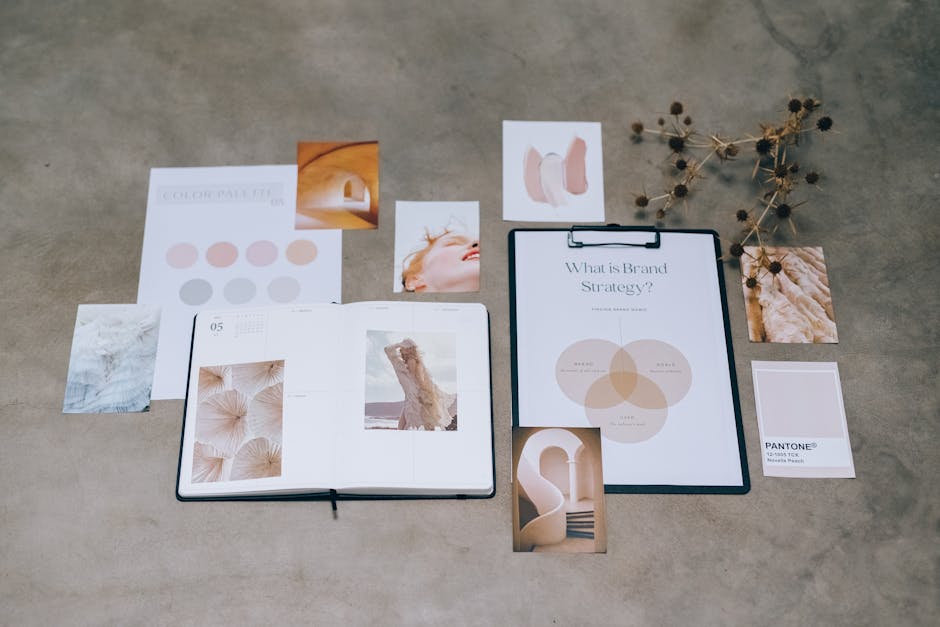
Most small business owners think branding means a logo and a color they picked because it looked nice. Then they wonder why customers still confuse them with the shop down the road. Branding is the set of decisions that make people choose you and pay more. A logo is one small piece of that. Here is what the rest actually does, and how to know when it is worth spending real money.
A logo is a signature, not a brand
Think of a logo the way you think of your own signature. It confirms something is yours. But nobody buys from you because your signature is pretty. They buy because they trust what the signature is attached to.
Your brand is the promise people expect you to keep, plus every clue that tells them what to expect before they buy. That includes how fast you reply, what your van looks like, the words on your website, and the feeling someone gets in the first ten seconds.
A plumber with a spotless van, a fixed callout fee written clearly, and a same-day reply has stronger branding than a competitor with a beautiful logo who takes two days to text back. The logo lost. The experience won.
People do not remember your logo. They remember whether you were easy to deal with.
What branding actually changes in your numbers
Good small business branding does three measurable things. It lets you charge more, it makes people choose you faster, and it makes marketing cheaper because your ads and posts convert better.
Here is a real pattern we see. A cleaning business charging 18 pounds an hour rebrands around one clear promise, spotless or we return free, with consistent photos and a proper booking page. Within a few months they hold 25 pounds an hour and lose fewer quotes to price. Same work. The branding gave buyers a reason to stop comparing on price alone.
The other effect is speed of trust. When your website, your Instagram, and your quote email all look and sound like the same business, people relax. Inconsistency makes buyers hesitate, and hesitation kills small sales.
- Higher prices without losing customers, because you compete on trust not just cost
- Faster yes from buyers, because everything feels consistent and safe
- Lower cost per lead, because your marketing looks credible enough to click
- More referrals, because a clear brand is easy to describe to a friend
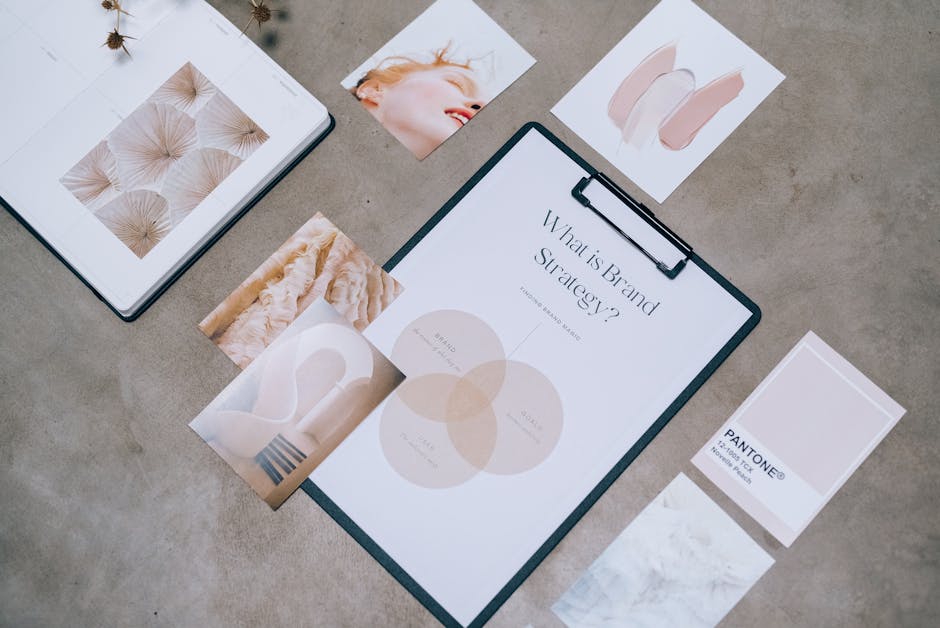
The five parts of a brand that matter more than the logo
If you have a small budget, spend it here before you spend it on a fancy mark. These are the parts that do the heavy lifting.
You can draft all five in an afternoon. Write them down and keep them in one document your whole team can see. That document is worth more than any logo file.
- Your positioning: who you are for and who you are not for, in one sentence
- Your promise: the specific outcome people can count on every time
- Your voice: how you sound in writing, plain and human or formal and precise
- Your look: two or three colors, one or two fonts, and a photo style you repeat
- Your proof: reviews, before and after photos, and named results people can check
Consistency beats cleverness, every time
The most common branding mistake is variety. New color on the flyer, different font on the invoice, a jokey tone on Facebook and a stiff tone on the website. It feels creative to you. To a customer it feels like three different businesses.
Pick your two colors and one font and use them everywhere. Same photo style. Same three words you always use to describe what you do. Boring repetition is how a small brand becomes recognisable on a small budget.
Do this test this week. Put your website, your last three social posts, your quote email, and your invoice side by side. If a stranger could not tell they came from the same business, that is your first job. Fix the mismatch before you touch the logo.

When a rebrand is actually worth the money
A full rebrand can cost anywhere from 1,500 to 8,000 pounds for a small business, depending on scope. That is real money, so only spend it when there is a business reason, not because you are bored of your colors.
There are clear signals. If you are moving upmarket and your current look scares off higher-paying clients, invest. If your name no longer matches what you sell, invest. If two businesses in your area look almost identical to you and customers keep confusing you, invest. If you are merging services under one roof, invest.
Do not rebrand to fix a sales problem that is really a sales problem. If people find you and do not buy, a new logo will not save you. Fix the offer, the follow-up, and the proof first. A rebrand amplifies whatever is already there. If the underlying business is weak, you just made the weakness look nicer.
- Worth it: moving upmarket, new name, blending into competitors, merging services
- Wait: slow sales with a decent offer, boredom, one bad review, a competitor did it
- Cheaper fix first: tidy your photos, rewrite your homepage, sort your follow-up
How to brief a designer so you do not waste 2,000 pounds
Most bad branding projects fail at the brief, not the design. Owners say make it modern and clean and then reject six versions because they cannot explain what they actually want. That burns money and goodwill.
Before you hire anyone, write a one-page brief. Include your positioning sentence, your promise, three brands you admire and why, three you dislike and why, and where the branding will actually appear. That last point matters. A logo that looks great on a screen can be unreadable on a work van at 20 feet.
Ask for the practical files up front: a version for dark backgrounds, a small favicon size, and the exact color codes and font names. Nothing is worse than losing your brand because the designer moved on and you never got the source files.
- Your one-sentence positioning and your promise
- Three brands you like and three you do not, with reasons
- Every place the brand appears: van, website, invoice, uniform, signage
- All files and codes you own outright at the end, in writing
A one-week plan to strengthen your brand for almost nothing
You do not need a budget to start. Most of the value comes from decisions and consistency, and those are free. Here is a week that will do more than a new logo for many businesses.
Do one step a day. By Friday you will have a clearer brand than most of your competitors, and you will know exactly whether paying for a rebrand is worth it or not.
- Monday: write your positioning sentence and your one clear promise
- Tuesday: pick two colors and one font, and delete the rest
- Wednesday: rewrite your homepage headline to say who it is for and the outcome
- Thursday: collect five recent reviews and add three before and after photos
- Friday: line up your website, socials, email, and invoice and match them up
The mistake that quietly costs the most
The biggest waste is not a cheap logo. It is a brand that promises something the business cannot deliver. If your website says fast, friendly, reliable and your callbacks take three days, every marketing pound is training people to distrust you.
Branding sets an expectation. Operations either keep it or break it. Before you polish the outside, make sure the inside can back it up. If your promise is same-day quotes, make sure someone actually sends same-day quotes.
Get those two in step and branding stops being a cost. It becomes the reason people pick you, pay more, and tell someone else. That is when the spend, whether it is an afternoon of your time or a few thousand pounds, finally pays you back.
This is the kind of work we handle behind the scenes. If you would rather have it set up properly than figure it out alone, our logo and brand identity, brand guidelines, branding services are built for exactly this.